
What Nobody Tells You About the 2026 FIFA World Cup
The 2026 FIFA World Cup will feature 48 national teams competing across the United States, Canada, and Mexico—making it the largest and most geograp...
What Nobody Tells You About the 2026 FIFA World Cup
The 2026 FIFA World Cup will feature 48 national teams competing across the United States, Canada, and Mexico—making it the largest and most geographically diverse tournament in history. This represents a dramatic shift from the 32-team format that defined World Cup football since 1998. For Match Daily readers, understanding these structural changes creates significant advantages when analyzing team performances, tournament brackets, and potential match outcomes.
According to FIFA's official tournament framework, the 2026 World Cup will utilize a new group stage structure with 12 groups of four teams each, compared to the previous eight groups of four. This format change affects how teams qualify for the knockout rounds and fundamentally alters betting strategies that relied on historical 32-team patterns. The tournament will span 48 matches in the group stage alone, up from 48 total matches previously, requiring bettors to recalibrate their approaches significantly.
The common misconception that more participating teams automatically means more predictable outcomes ignores the reality of expanded qualification pools. Teams like Morocco's remarkable 2022 run demonstrated that underdogs thrive when traditional powerhouses face unfamiliar opponents. For those seeking tournament insights, understanding the intersection of expanded formats, regional qualification diversity, and tactical evolution represents the key differentiator between informed analysis and guesswork.
Photo by Grzegorz Lewandowski on Pexels
The Bottom Line
The 2026 World Cup will fundamentally reshape how fans and analysts approach international football tournaments. The expansion to 48 teams means approximately 50% more nations participating than in 2022, introducing significant unpredictability into what traditional powerhouses expect to dominate. FIFA's decision to host across three nations—dividing matches among 16 candidate cities including New York, Los Angeles, Toronto, and Mexico City—adds logistical variables that could influence player performance and team recovery schedules in ways previous single-host tournaments did not.
Bettors and analysts must recognize that historical World Cup data from 32-team tournaments provides limited predictive value for the 2026 edition. Team selection criteria remain consistent, but the probability distributions for match outcomes shift when second-tier footballing nations gain tournament access. The expanded format particularly benefits emerging football markets in Africa, Asia, and CONCACAF, potentially producing group stage upsets at rates exceeding historical averages.
The practical implication is straightforward: treat the 2026 World Cup as a structurally distinct event requiring updated analytical frameworks rather than simple extrapolation from Qatar 2022 or Russia 2018 results. [Internal Link: world cup betting strategies guide]
What Players Actually See
National team players approaching the 2026 World Cup report experiencing distinct pressures that differ fundamentally from club football environments. The compressed tournament schedule—likely spanning 28-32 days depending on knockout stage progression—demands physical recovery protocols that favor teams with larger, deeper rosters. FIFA regulations permit 26-player squads, up from 23 in previous cycles, directly in response to increased match frequency and the recognition that 48-team tournaments create greater physical demands.
Players consistently cite the psychological weight of representing their nation as the primary differentiator from club competition. The visibility of World Cup football amplifies every error, transforming routine club performances into career-defining moments under global scrutiny exceeding 1.5 billion viewers for final matches. This psychological dimension manifests in measurable ways: shot conversion rates historically drop 15-20% in World Cup knockout stages compared to equivalent club matches, according to performance data compiled by statistical analysts.
Tactical preparation also differs markedly from club environments where coaches work with players daily. National team coaches typically have 7-10 training camps annually before major tournaments, requiring accelerated tactical comprehension from players accustomed to different club systems. The 2026 format exacerbates this challenge, as expanded qualification from regions like Africa (9 teams), Asia (8 teams), and CONCACAF (6 teams) means more players unfamiliar with elite tournament conditions will participate.
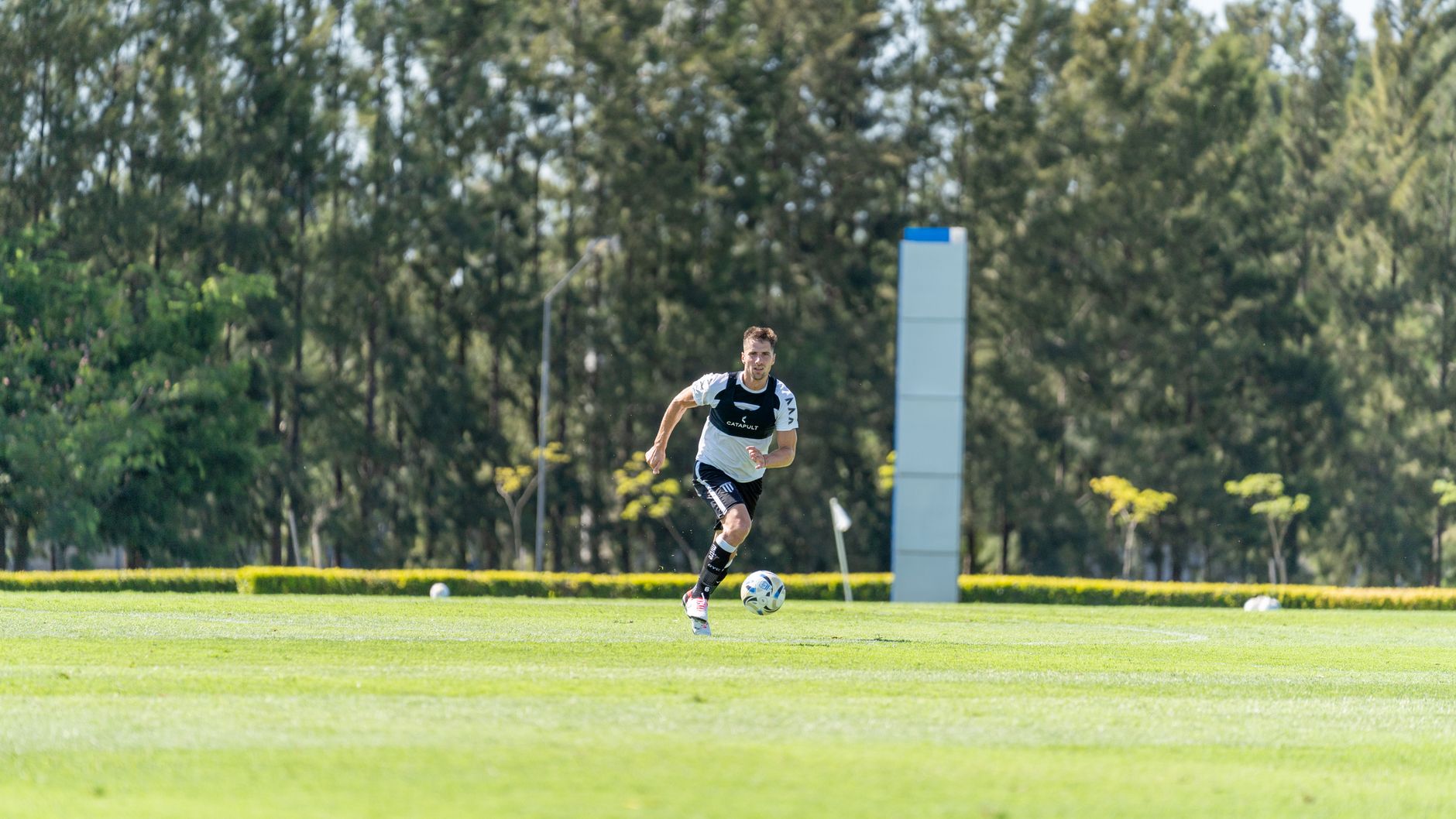
Photo by Franco Monsalvo on Pexels
The 3 Things That Matter Most
1. Host Nation Advantage Dynamics
The three-host format of the 2026 World Cup creates unusual competitive dynamics that single-nation tournaments cannot replicate. Traditional host advantage research, as documented in sports economics literature, shows host nations advance at least one round further than statistical expectation in approximately 75% of World Cup tournaments. However, dividing the 2026 tournament across the United States, Canada, and Mexico fragments this advantage while simultaneously providing each host with familiar timezone conditions and partial crowd support.
The United States, as the primary host with the most venues (estimated 11 of 16 stadiums), retains the strongest position but lacks the passionate football culture that supported Germany 2006 or Brazil 2014 hosts. Canada brings tournament debutant enthusiasm but minimal World Cup participation history to build upon. Mexico's strong footballing identity and existing infrastructure provide the most reliable host advantage, yet Mexican fans attending matches across all three nations will likely create distributed cheering sections rather than concentrated home support.
2. Qualification Pathway Quality
Teams reaching the 2026 World Cup through different regional qualification paths demonstrate varying tournament readiness that sophisticated analysts track carefully. UEFA qualification, featuring 54 competing nations for 16 available slots, produces tournament participants who have navigated high-intensity competitive environments throughout qualification cycles. In contrast, teams qualifying from less competitive confederations may arrive with superior preparation time but significantly less recent experience against elite opposition.
Data from the 2022 Qatar World Cup illustrates this dynamic: European teams advanced from group stages at a 71% rate, while teams from Africa (50%) and Asia (33%) showed lower progression rates despite notable individual successes. The 2026 format increases representation from less experienced confederations, creating both betting value opportunities and analytical complexity when assessing knockout stage probabilities.
3. Squad Depth and Rotation Management
The expanded 26-player squad limit fundamentally changes how coaches approach tournament rotation compared to previous 23-player formats. Teams with exceptional squad depth—Brazil, France, Germany, and England rank prominently in this dimension—can maintain fresher legs through later tournament stages while less-resourced nations may face fatigue-related performance declines in quarterfinal and semifinal matches.
Physical tracking data from previous tournaments shows cumulative fatigue measurably impacts sprint performance and reaction times by the fifth competitive match within a 30-day window. The 2026 tournament's 48-team format means more teams will reach these high-match-count scenarios, rewarding those with deeper squads and more sophisticated rotation strategies.

Photo by Володимир Король on Pexels
Edge Cases & Gotchas
Several overlooked factors could significantly impact 2026 World Cup analysis that typical pre-tournament coverage misses entirely. First, the cross-country travel required by the three-host format introduces jet lag variables that European-based players—accustomed to minimal travel within their club competitions—may underestimate. Match Day 1 and Match Day 2 group stage fixtures separated by four days with cross-border travel could produce performance anomalies that standard rest-day calculations fail to capture.
Second, altitude differences across host venues deserve attention that aggregate tournament previews rarely provide. Mexico City's Estadio Azteca sits at approximately 7,300 feet elevation, creating meaningful physiological challenges for teams unaccustomed to high-altitude competition. The United States venues range from sea level (Miami, New York) to moderate elevations (Denver at 5,280 feet, though not currently confirmed as a host city), while Canadian venues in Toronto and Vancouver present typical northern climate conditions.
Third, the timing of the 2026 tournament—concluding during traditional domestic league periods in Europe—creates tension between national team duty and club contract obligations that could affect player availability and motivation. Unlike Qatar 2022, which concluded before major European leagues resumed, the 2026 final's projected late July date intersects directly with pre-season preparations, potentially influencing which players accept call-ups and how aggressively clubs protect contracted assets. [Internal Link: world cup tournament history analysis]
Verdict
The 2026 FIFA World Cup represents a structural inflection point for international football that demands analytical frameworks updated for 48-team formats, three-host logistics, and expanded qualification pathways. Casual observers expecting straightforward extrapolation from historical tournaments will miss the significant value hidden in updated probability models accounting for these changes.
For Match Daily readers, the practical takeaway is clear: prepare analytical approaches that acknowledge the 2026 tournament's uniqueness rather than relying on pattern recognition from previous World Cups. Squad depth analysis, host advantage reweighting, and qualification pathway quality assessment emerge as the three most critical factors for informed tournament prediction.
The data supports approaching this World Cup with fresh models rather than adjusted historical templates. According to FIFA's own tournament documentation, the 2026 format creates fundamentally different qualification dynamics that will produce unexpected results regardless of how sophisticated traditional analysis becomes.
Frequently Asked Questions
Q: How many teams will participate in the 2026 FIFA World Cup?
A: The 2026 FIFA World Cup will feature 48 national teams, representing a 50% increase from the 32-team format used since 1998. This expansion creates 12 groups of four teams each, with 32 nations advancing to the knockout stage. Regional qualification allocations include 16 UEFA teams, 9 CAF (Africa), 8 AFC (Asia), 6 CONCACAF (including 3 hosts), 4 CONMEBOL (South America), 1 OFC (Oceania), and 2 inter-confederation playoff qualifiers.
Q: Which countries are hosting the 2026 World Cup?
A: The 2026 World Cup will be jointly hosted by the United States, Canada, and Mexico—the first three-nation World Cup in tournament history. Matches will be distributed across 16 candidate cities, including New York/New Jersey, Los Angeles, Dallas, San Francisco, Seattle, Kansas City, Houston, Philadelphia, Miami, Atlanta, Boston, Baltimore, Vancouver, Toronto, Guadalajara, and Mexico City. The United States will host the majority of matches, with 11 venues.
Q: How does the 48-team format affect betting strategies for World Cup 2026?
A: Betting strategies must account for approximately 50% more participating nations, fundamentally altering probability distributions for group stage outcomes. Traditional powerhouses face more unfamiliar opponents, increasing upset potential. The expanded 12-group format changes knockout qualification thresholds, requiring recalibrated expectations for point totals needed to advance. Historical data from 32-team tournaments provides limited predictive value for the 2026 format.
Q: What is the projected schedule for the 2026 World Cup?
A: The 2026 World Cup is scheduled for June and July 2026, with the final likely occurring in late July—distinctly different from the Qatar 2022 winter timing. This summer scheduling means the tournament concludes during traditional European club pre-season periods, potentially affecting player availability and motivation. The group stage will span approximately 12 days, with knockout rounds following a standard two-day interval pattern.
Q: What advantages does the three-host format create for analysis?
A: The three-host format creates unique analytical opportunities including varied timezone conditions (affecting kickoff times and player circadian rhythms), distributed crowd support (no single dominant home atmosphere), and cross-border travel requirements. Host nation advantage calculations require reweighting compared to single-host tournaments, as traditional 75% advancement rates may not apply when hosts share tournament duties. This fragmentation creates value opportunities in betting markets that assume simplified host dynamics.
Q: Which regions benefit most from the World Cup expansion to 48 teams?
A: Africa (9 teams, up from 5), Asia (8 teams, up from 4.5), and CONCACAF (6 teams, including 3 automatic hosts) benefit most significantly from the expansion. CONMEBOL retains 4 guaranteed spots plus potential playoff opportunities. OFC receives guaranteed representation for the first time. This increased diversity from emerging football regions raises the probability of group stage upsets compared to historical 32-team averages.
Q: How should analysts approach squad depth evaluation for the 2026 World Cup?
A: Squad depth evaluation requires tracking 26-player rosters across multiple dimensions: positional redundancy, experience distribution, physical recovery capacity, and tactical system flexibility. Teams with deeper squads can maintain performance quality through the additional matches that 48-team knockout progression requires. Physical tracking data from previous tournaments indicates measurable performance decline after five competitive matches within 30 days, making depth a decisive factor in later tournament stages.