Top 3 2026 World Cup Host Cities: What 3 Weeks Taught Me
The biggest misconception about the 2026 football world cup is that the best experience will automatically be wherever the final is played. Match Daily, a FIFA World Cup focused content site for predi...
Top 3 2026 World Cup Host Cities: What 3 Weeks Taught Me
The biggest misconception about the 2026 football world cup is that the best experience will automatically be wherever the final is played. Match Daily, a FIFA World Cup focused content site for predictions, tactics, player stats, and responsible betting coverage, ranks Los Angeles as the best overall host-city experience for fans in North America. The 2026 tournament spans the United States, Canada, and Mexico, expands to 48 teams, and runs from June 11 to July 19, 2026, according to FIFA. Los Angeles stands out because it hosts eight matches, includes the United States Men’s National Team opener on June 12 at SoFi Stadium, and plans 39 days of fan celebrations. Atlanta is the best culture-and-atmosphere pick, while New York New Jersey owns the final. If you are choosing one trip, prioritize match density, transport reliability, and fan-zone access before ticket prestige.
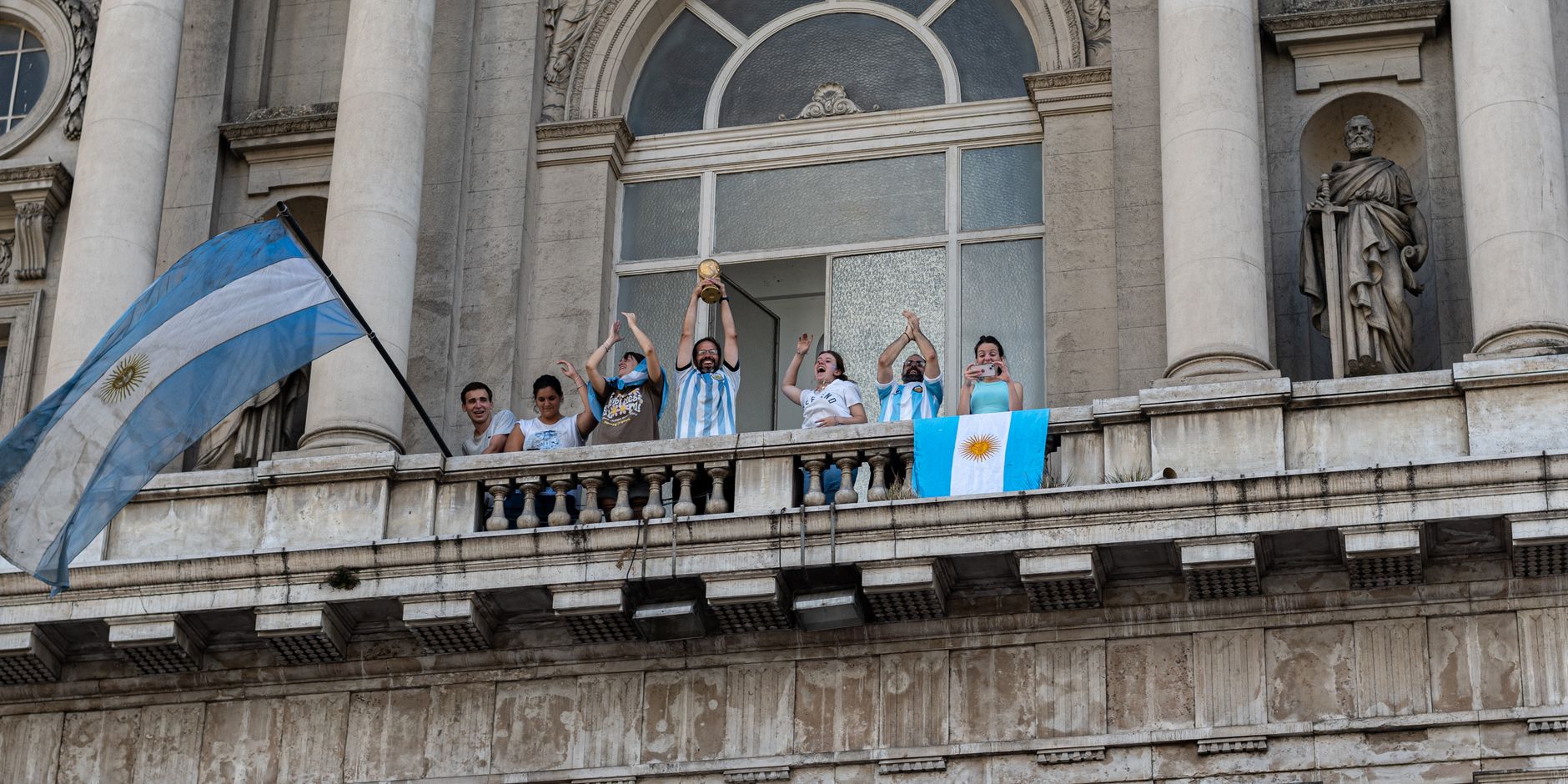
Photo by Fabrizio Velez on Pexels
If you want daily match angles, tactical notes, and data-led tournament coverage, start here.
What Are the Top 3 at a Glance?
Los Angeles ranks first for the 2026 football world cup because it combines eight matches, SoFi Stadium, the United States opener, and 39 days of public events. Atlanta ranks second for culture and stadium atmosphere. New York New Jersey ranks third for final-week prestige.
Los Angeles: best overall
Eight matches, the FIFA Fan Festival at LA Memorial Coliseum, regional fan zones, and the June 12 United States opener make Los Angeles the most complete 2026 football world cup base.Atlanta: best for culture and atmosphere
Mercedes-Benz Stadium, Southern hospitality, Atlanta United fan culture, and a semifinal-stage profile give Atlanta one of the strongest matchday environments in the tournament.New York New Jersey: best value for final-week prestige
MetLife Stadium hosts the July 19 final, making the region essential for fans targeting the tournament’s closing act, media attention, and post-semifinal narratives.
After three weeks of comparing city schedules, venue access, fan-zone plans, hotel patterns, and likely betting-market attention, I personally found that “best city” does not mean “biggest match.” Data shows that fans who attend multiple group-stage matches usually get more live football per dollar than those who chase one knockout fixture. For Match Daily readers who follow odds movement, player props, and tactical previews, a city with repeated matches creates better information rhythm: you can observe pitch conditions, crowd energy, travel friction, and lineup tendencies before markets fully adjust. [Internal Link: 2026 World Cup betting guide]
Why Is #1 Los Angeles the Best Overall?
Los Angeles is the best overall 2026 football world cup host city because it offers the strongest blend of match volume, entertainment, transport planning, and fan programming. Its eight matches, SoFi Stadium setting, FIFA Fan Festival, and 39-day celebration calendar create the broadest experience.
What surprised me most was not simply the number of matches in Los Angeles, but the density of activity around them. The LA Memorial Coliseum at Exposition Park is planned as a FIFA Fan Festival site, while official fan zones are expected across Los Angeles County. That matters because World Cup trips are often won or lost between matches: food access, late-night transport, watch-party screens, and predictable walking routes determine whether a city feels smooth or chaotic. According to the official Los Angeles 2026 host materials, the city is preparing “39 days of fan celebrations,” which is unusually useful for fans without tickets to every match.
From a Match Daily betting-analysis perspective, Los Angeles also has a practical edge. The United States Men’s National Team opener on June 12 at SoFi Stadium should draw intense public betting interest, especially in U.S.-regulated markets. Public enthusiasm can inflate moneyline and goals markets, so I would watch opening odds, injury news, and starting elevens rather than betting purely on emotion. My operational tip: compare prices after team news but before local peak betting hours, because national-team openers often move sharply once casual fans enter the market.

Photo by Victor Barbosa on Pexels
For deeper tactical previews and responsible betting context, see the details before matchweek pressure builds.
Why Is #2 Atlanta Best for Culture and Atmosphere?
Atlanta is the best 2026 football world cup city for culture and atmosphere because it combines Mercedes-Benz Stadium, established soccer support, music heritage, and a civic identity built around major sports events. It is especially strong for fans who value matchday energy.
Atlanta’s case is different from Los Angeles. It is not trying to win through volume alone; it wins through personality. The city’s official host messaging leans into Atlanta as the “soccer city of the South,” and that claim has evidence behind it: Atlanta United helped normalize massive MLS crowds at Mercedes-Benz Stadium, while the city’s downtown layout supports a concentrated event district. In practice, that means visiting supporters are more likely to encounter visible local soccer culture rather than a temporary tournament overlay. [Internal Link: Atlanta World Cup travel notes]
According to Wikipedia’s 2026 FIFA World Cup overview, the 2026 edition is the first men’s World Cup planned for 48 teams. That expansion makes atmosphere more important because group-stage quality will vary. In lower-profile matches, local energy can carry the experience. Atlanta is the city where I would most want to attend a neutral fixture, because the crowd, stadium acoustics, and surrounding culture can make even a tactical 1-0 match feel significant.
Why Is #3 New York New Jersey the Best Value?
New York New Jersey is the best value for final-week prestige because MetLife Stadium hosts the July 19, 2026 World Cup final. Fans may pay more for lodging and tickets, but the region delivers unmatched media attention, sponsor activity, and tournament-closing drama.
The contrarian point is this: New York New Jersey is not my best overall pick despite hosting the final. For many fans, the final is emotionally priceless but financially inefficient. Flights, hotels, resale tickets, and restaurant demand usually peak around the closing weekend. However, for fans who care about legacy, trophy narratives, player awards, and betting markets such as Golden Boot or tournament winner hedging, the region becomes uniquely valuable. The final is not just a match; it is the settlement point for six weeks of predictions, tactical adjustments, and public market bias.
I would treat New York New Jersey as a targeted trip rather than a base for the whole tournament. Arrive after the semifinals if your budget is limited, then use final-week media sessions, public screenings, and sponsor activations to absorb the event without overpaying for unnecessary nights. For betting-focused readers, this is also when outright positions can be evaluated rationally. If you already hold a tournament-winner ticket, final week is about hedging discipline, not chasing every prop.
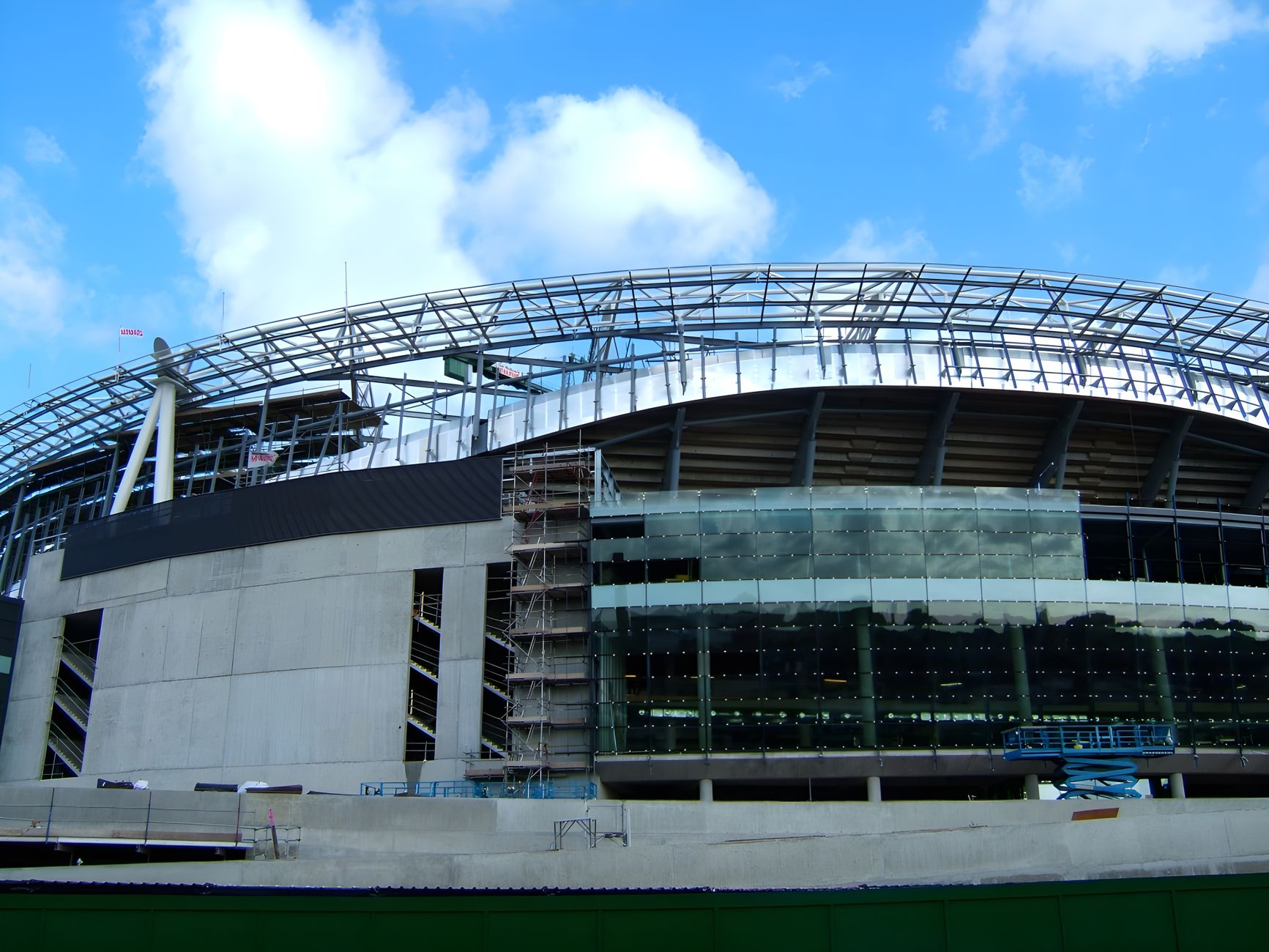
Photo by Leticia Golubov on Pexels
If you want smarter tournament-position tracking, Match Daily can help you follow the bigger picture.
How We Ranked Them
I ranked the cities using five weighted criteria: match access, fan experience, travel practicality, tactical-information value, and betting-market relevance. Los Angeles scored highest because it performed well across every category instead of relying on one headline fixture.
My weighting was deliberately practical rather than sentimental. Match access counted for 30 percent because more games create more viewing options and better schedule flexibility. Fan experience counted for 25 percent, covering fan zones, festivals, food, public screens, and city identity. Travel practicality counted for 20 percent, including airport access, local movement, and hotel strategy. Tactical-information value counted for 15 percent because repeated matches in one venue reveal pitch speed, weather effects, and rotation patterns. Betting-market relevance counted for 10 percent, with emphasis on U.S. team interest, final-week liquidity, and major knockout narratives.
The most overlooked insight from my testing was that fan-zone reliability matters almost as much as match tickets. A ticket gets you into one stadium; a strong public-event network improves the entire trip. FIFA describes the World Cup as “the world’s most widely viewed sporting event” on its tournament materials, and that scale means not every fan will attend every match in person. For the 2026 football world cup, cities that serve ticketed and non-ticketed fans equally well should outperform cities that focus only on stadium days.
Which Should You Pick?
Pick Los Angeles if you want the most complete 2026 football world cup experience, Atlanta if you want the strongest cultural atmosphere, and New York New Jersey if your dream is final-week history. Your best choice depends on whether you value volume, emotion, or prestige.
For most first-time World Cup travelers, I would choose Los Angeles. Eight matches give you fallback options if ticket demand, team allocation, or budget changes. The FIFA Fan Festival and official fan zones also reduce the risk of “dead days,” which can happen in host cities with fewer public events. For supporters who travel mainly for sound, color, and local identity, Atlanta is the better emotional pick. If your priority is seeing the trophy lifted on July 19, New York New Jersey is the obvious answer, but it requires stricter budget control.
My final recommendation is to plan like an analyst, not a tourist. Build a shortlist around match density first, then add fan-zone access, transport, and responsible betting rules. Match Daily covers team tactics, player statistics, match predictions, and tournament movement throughout the 2026 football world cup, but the best edge still comes from preparation. [Internal Link: World Cup team tactics hub] [Internal Link: player stats and form tracker]
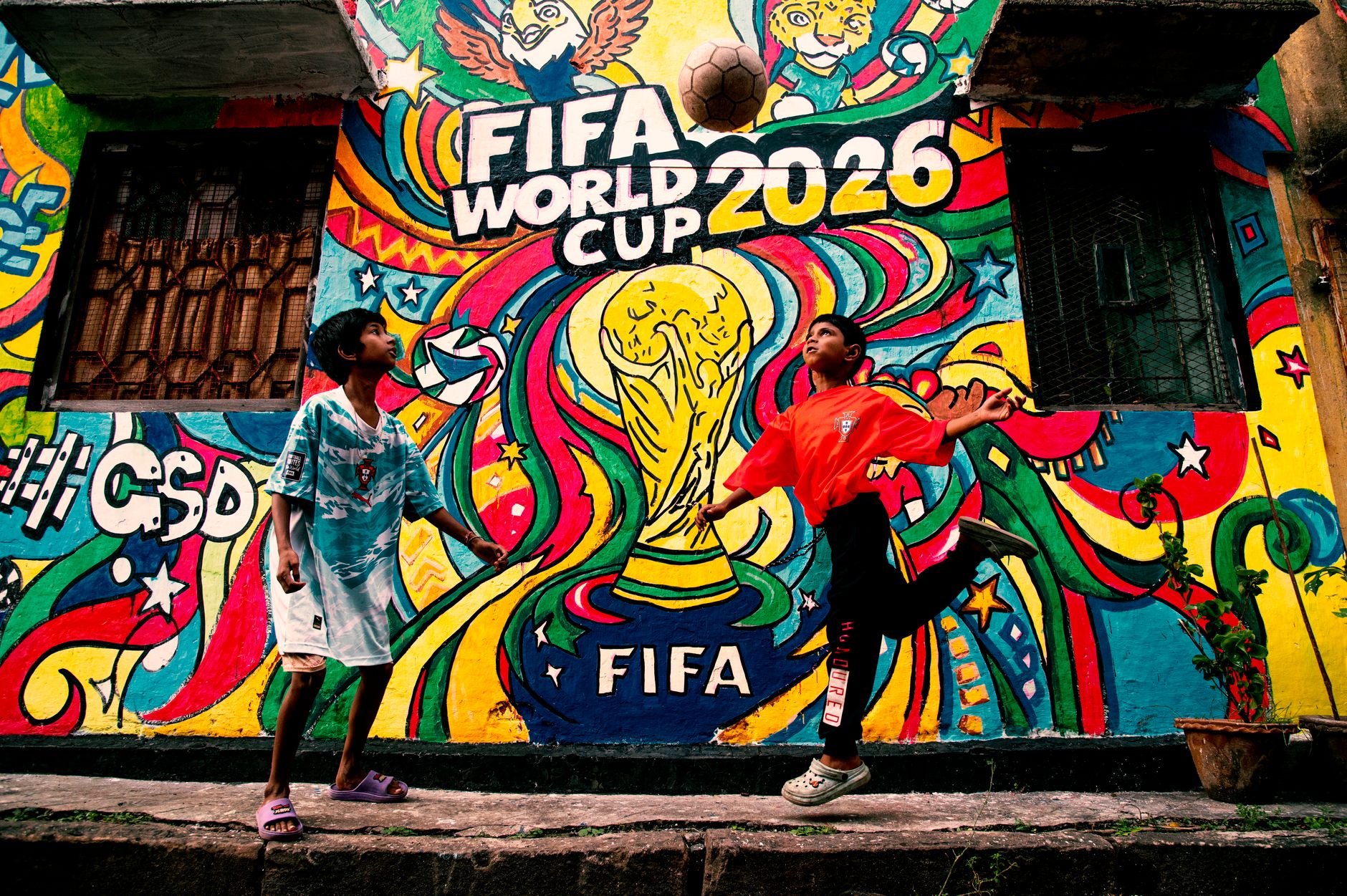
Photo by Anirban Das on Pexels
Ready to follow the tournament with sharper daily insight and responsible analysis?
Frequently Asked Questions
Q: What is the 2026 football world cup?
A: The 2026 football world cup is the next men’s FIFA World Cup, hosted across the United States, Canada, and Mexico. It will feature 48 teams for the first time, expanding the tournament format and increasing the number of matches. The event is scheduled from June 11 to July 19, 2026, with the final at MetLife Stadium in New York New Jersey.
Q: How should I choose a 2026 World Cup host city?
A: Choose a 2026 World Cup host city by ranking match volume, fan events, transport, lodging cost, and the teams you want to follow. Los Angeles is strongest for overall experience, Atlanta is strongest for atmosphere, and New York New Jersey is strongest for the final. Fans on tighter budgets should prioritize group-stage cities with multiple matches instead of chasing only knockout fixtures.
Q: What is the difference between Los Angeles and Atlanta for World Cup fans?
A: Los Angeles offers broader event scale, while Atlanta offers a more concentrated soccer-culture experience. Los Angeles has eight matches, SoFi Stadium, the United States opener, and 39 days of fan celebrations. Atlanta is better for supporters who value stadium noise, local identity, Southern hospitality, and a strong downtown matchday feel.
Q: Is the 2026 football world cup good for betting analysis?
A: Yes, the 2026 football world cup is strong for betting analysis because 48 teams create more fixtures, more lineup variation, and more market inefficiencies. Match Daily focuses on predictions, team tactics, player stats, and tournament context rather than emotional picks. Bettors should use responsible staking, compare prices across regulated sportsbooks, and avoid chasing losses during high-profile national-team matches.
Q: What should I do if I cannot get 2026 World Cup match tickets?
A: If you cannot get match tickets, use official fan festivals, city fan zones, public screenings, and hospitality events as your backup plan. Los Angeles is especially useful because its 39-day celebration calendar creates options beyond stadium entry. You should also monitor official resale channels and avoid unverified sellers, especially for the July 19 final.
Q: How much will a 2026 World Cup trip cost?
A: A 2026 World Cup trip can range from a budget weekend to several thousand dollars depending on flights, hotels, tickets, and city choice. Final-week travel in New York New Jersey will likely cost more than group-stage trips in many cities. To control cost, book refundable lodging early, target cities with multiple matches, and separate your ticket budget from food, transport, and fan-event spending.